Exactly How Assisted Living Advertises Social Engagement and Wellness
Business Name: BeeHive Homes of Levelland
Address: 140 County Rd, Levelland, TX 79336
Phone: (806) 452-5883
BeeHive Homes of Levelland
Beehive Homes of Levelland assisted living care is ideal for those who value their independence but require help with some of the activities of daily living. Residents enjoy 24-hour support, private bedrooms with baths, medication monitoring, home-cooked meals, housekeeping and laundry services, social activities and outings, and daily physical and mental exercise opportunities. Beehive Homes memory care services accommodates the growing number of seniors affected by memory loss and dementia. Beehive Homes offers respite (short-term) care for your loved one should the need arise. Whether help is needed after a surgery or illness, for vacation coverage, or just a break from the routine, respite care provides you peace of mind for any length of stay.
140 County Rd, Levelland, TX 79336
Business Hours
When families begin comparing care choices, the conversation usually begins with safety. That makes good sense. Medication assistance, help with showering, dish service, and reputable guidance issue a great deal. Yet after a couple of visits to areas, one more question generally increases to the surface: what will daily life actually feel like?
That question is frequently the turning point. Numerous older adults do not require beehivehomes.com senior care near me a nursing environment, yet they do require more link, even more structure, and a lot more possibilities to stay active than they are accessing home. Assisted living can fill that gap in a functional, human way. It supplies support with the jobs that have actually become hard while creating a setting where people can still choose, preserve regimens, and develop connections. For several residents, that combination adjustments everything.
Social engagement and health are not separate benefits of assisted living. They enhance one another. A resident that signs up with an early morning workout course is more probable to chat with neighbors later. Somebody who pertains to dinner in the neighborhood dining room is less likely to skip a dish. A person that feels understood by staff and peers is more probable to speak up concerning pain, solitude, or an adjustment in health and wellness. These are not abstract advantages. They shape life in measurable, visible ways.
The social seclusion trouble is commonly underestimated
It is simple to think that living alone is only a concern if someone is literally harmful. In technique, seclusion can impact an individual long before a situation lands them in the healthcare facility. Older adults might quit driving, lose a spouse, create vision or flexibility troubles, or merely discover that the circle of close friends they once relied on has gotten smaller. Despite household close by, the hours in between visits can be long and quiet.
That kind of seclusion modifications actions. People may eat much less because preparing meals feels like excessive initiative. They might rest at strange hours, relocate less, or quit complying with a regimen that once maintained them stable. Over time, the days blur with each other. The lack of interaction can make small problems really feel heavier. A missed prescription refill comes to be extra major. A small loss results in a week of reluctance. A little despair becomes a bigger withdrawal.
Assisted living is made to disrupt that pattern. The atmosphere itself matters. Meals occur at predictable times. Activities are published and simple to sign up with. Personnel see when a person has not come out of their home. There is a natural rhythm to the day, which rhythm maintains people linked to something bigger than their own four walls.
Wellness starts with the regular minutes of the day
Wellness in assisted living is not limited to formal programs. It starts with easy regimens that support the body and mind. A resident may awaken to breakfast prepared by somebody else, take a drug on time, walk to a typical location, and spend the early morning talking with a next-door neighbor prior to lunch. None of that seems remarkable, however those normal moments usually do a lot more for health than a once-a-month event ever could.
Nutrition is a fine example. Lots of older adults living in your home gradually slide right into inadequate eating behaviors. They might depend on biscuits, toast, or convenience food since cooking has actually come to be inconvenient or literally requiring. In assisted living, meals are typically planned and offered routinely, which eliminates a major obstacle. That alone can aid with power, mood, and drug effectiveness.
Hydration is one more overlooked concern. An individual who spends the majority of the day alone may simply fail to remember to consume alcohol adequate water. In an area setup, beverages are offered throughout the day, and staff frequently notice when a person is not consuming alcohol well. That sort of wariness appears small till it prevents an urinary system infection, lightheadedness, or a fall.
Sleep can improve also. People have a tendency to rest much better when days have structure, nights are calmer, and there is much less anxiousness about home tasks. A resident does not need to stress over trimming the lawn, repairing a busted faucet, or handling a full refrigerator before a snow storm. Relief from those worries becomes part of health too.
Community life makes engagement easier
One of the greatest toughness of assisted living is that engagement is built right into the environment. Homeowners do not have to drive across community or coordinate multiple routines to see individuals. They can step out of their houses and locate a card video game, a motion picture, a conversation team, a craft table, or a visiting artist. That convenience matters greater than several households expect.
I have seen grownups who were virtually silent in household setups come to life in a community room since the social pressure is lower and the setting is more familiar. They are not executing for their adult kids. They are simply signing up with peers that understand the very same life phase, the very same losses, and often the same dry wit. Friendships form from repetition. An individual that sees the very same next-door neighbor every Tuesday and Thursday may not call that "programs," but it is precisely how link grows.
The finest areas do not require extroversion. They offer low-pressure opportunities. Not everyone wants to join a lively bingo video game, and that is fine. Some residents choose one-on-one discussion, devotional time, horticulture, or a silent team exercise course. Excellent assisted living areas those distinctions. It creates sufficient selection that a resident can find a rhythm that fits their individuality and power level.
Social engagement sustains cognitive and psychological health
Loneliness is not simply undesirable. It can influence thinking, inspiration, and psychological durability. When a person spends excessive time alone, it becomes more challenging to remain mentally sharp and engaged. There is much less conversation, fewer chances to remember names or stories, and fewer minutes that call for interest and action. Assisted living produces a richer daily social atmosphere that helps keep the mind active.
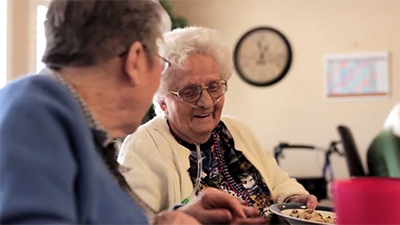
This does not indicate social life protects against memory loss or replaces treatment. It does imply that a resident is more likely to be boosted in small however purposeful means. They could follow a conversation concerning existing occasions, remember lyrics during a singalong, or assist a neighbor remember an activity time. These interactions exercise recall and language in ways that really feel natural, not clinical.
Emotional health and wellness benefits too. Individuals typically underestimate just how much stress and anxiety is decreased when someone else is around to observe an adjustment in mood. A resident who has had a harsh morning is more likely to discuss it when a personnel sign in or a pal asks how they are correcting lunch. That small opening can lead to functional support. Occasionally it refers redirecting a person to an activity. Often it is recognizing that pain, discomfort, or confusion is aggravating and should have attention.
For households looking for senior living, this is one of the most important distinctions to seek. A neighborhood can have lovely decor and sleek advertising, but if locals spend most of their time alone, the social value is restricted. The inquiry is not just whether the neighborhood uses activities. The genuine concern is whether people actually gather.
Fitness and wheelchair boost when activity becomes social
Exercise is easier to preserve when it is tied to routine and companionship. An individual that must motivate themselves to walk alone with a community may miss it on hot days, stormy days, or days when their knees ache. In assisted living, motion often enters into social life. Residents may sign up with chair workouts, stretch with a team, walk corridors with a friend, or join balance classes.
That type of activity is specifically essential because it is sustainable. It does not need to be intense to matter. 10 minutes of directed extending, a brief stroll after lunch, or standing and moving with a light class can support circulation, flexibility, and self-confidence. With time, those small efforts can lower deconditioning, which is among the hidden dangers of aging. The less individuals move, the harder motion becomes.
There is likewise a mental item. When activity is social, people are much less most likely to translate fatigue as failing. They contrast notes, urge each other, and normalize doing what they can. That matters for locals that might be recouping from a hospitalization or readjusting after a fall. They are often much more ready to try again when they are not doing it alone.
A good community likewise understands when to leave area for remainder. Not every resident ought to be pressed right into the exact same workout routine. Arthritis, heart disease, balance problems, and medication effects all alter what is appropriate. Genuine health is not a one-size-fits-all program. It is a thoughtful equilibrium between inspiration and respect for limits.
Staff relationships include an additional layer of connection
People usually speak about "the personnel" as if it is something. In a strong assisted living area, staff are not unseen service providers. They become part of the resident's day-to-day social media network. A caretaker that bears in mind just how somebody takes coffee, who sits with a worried resident before morning meal, or who notices that an usually chatty person has actually gone silent can make a genuine difference.
This is one of the quieter staminas of assisted living. Familiar faces develop count on. Trust makes it simpler for locals to approve help with showering, clothing, drug reminders, or flexibility support. It additionally makes it much easier to report a problem early. A person that feels understood is more probable to state a skin issue, a change in hunger, or a new pains in the hip as opposed to waiting up until it ends up being urgent.
The high quality of those partnerships relies on staffing consistency and training, obviously. Family members comparing assisted living near me need to listen not only to facilities however to how team speak with locals during a tour. Do they greet individuals by name? Do citizens show up kicked back around them? Do employee appear hurried, or do they include discussion? Those details disclose even more concerning daily life than a pamphlet ever before will.
Respite care can be a valuable bridge, not just a back-up plan
Families sometimes think about respite care only as a short-term solution after a caregiver emergency. It can be that, yet it can likewise serve a broader function. A brief stay in assisted living provides an older adult a chance to experience community life without making an instant long-term move. For some individuals, that trial duration minimizes anxiousness. They find that meals are simpler, the speed is convenient, and they enjoy the social get in touch with more than they expected.
Respite care can also reveal useful facts. A family member may assume their loved one is doing great in your home till a short stay reveals just how tiring personal care has come to be. An additional resident might understand they are lonesome once they spend a couple of days in a setup where discussion is developed right into the day. These understandings matter. They aid family members make decisions with proof instead of guesswork.
For caregivers, respite care supplies something just as essential: alleviation. Also devoted household caregivers need rest. When they can step away for a week or more, they return with even more patience and a more clear sight of what their loved one really requires. That can boost decision-making for everyone involved.
Choosing a community requires looking past the checklist
Families typically start their search with sensible filters. Is there assisted living near me? What does it cost? Does the neighborhood accept the ideal level of care? Those questions are necessary, however they do not tell the entire story. Social involvement and wellness are formed by atmosphere, programs, and culture just as much as by layout or meal menus.
A thoughtful visit normally reveals greater than a sales presentation. Enjoy how homeowners move with the area. Notice whether typical areas are inhabited or vacant sometimes when people must normally gather. Ask what takes place on a normal weekday, not just what unique events are offered as soon as a month. A solid community ought to have the ability to describe just how social opportunities are woven into normal life.

Families must additionally take into consideration personality fit. An extremely active resident may grow in an area with robust events and getaways. Somebody quieter might do better in a smaller setting where personnel and homeowners know each various other closely. There is no single excellent design. The best fit is the one that assists the person feeling included without being overwhelmed.
A short useful method to assess an area is to ask:
- How commonly do citizens gather for dishes and activities?
- What options exist for individuals that are reluctant, withdrawn, or hard of hearing?
- How do staff notification and react when a resident starts isolating?
- Are health care adjusted for different flexibility levels?
- How does the area assistance family involvement?
Those inquiries often tend to surface the real culture quickly.
Why the emotional tone of the environment matters
The most effective assisted living areas do not just give services. They produce a tone of self-respect. That tone affects whether locals seem like participants or clients. If a neighborhood treats individuals as capable grownups with preferences, routines, and opinions, homeowners are most likely to involve. If the atmosphere feels extremely institutional, individuals tend to retreat.
That distinction is not aesthetic. Emotional tone influences cravings, involvement, and readiness to request help. A resident that feels humiliated about needing aid might reject it. A resident who feels respected is most likely to cooperate with care and remain involved in area life. The difference can show up in something as small as going to lunch or as considerable as reporting a sign early.
This is where experience matters. Families in some cases focus on whether a place "looks nice," yet the much deeper inquiry is whether it feels like a livable home. That includes noise level, pacing, staff disposition, and exactly how homeowners are talked to in public spaces. An attractive dining room does not compensate for a society where individuals really feel ignored.
The real value is the combination
Assisted living functions best when it sustains both function and belonging. One without the various other is incomplete. Help with daily jobs keeps individuals secure, however it is the social material that often recovers power and purpose. A resident that has a reason to get dressed, a location to be, and individuals anticipating to see them is living in a different way than someone that spends long days alone at home.
That is why households checking out senior care often wind up reassessing what "support" truly means. It is not just concerning hands-on help. It is about creating conditions where older grownups can maintain appearing to life. The best community does not eliminate self-reliance. It secures the parts of freedom that still matter while decreasing the problems that have actually come to be too heavy to carry alone.

For many older adults, that is the point at which health boosts in functional means. Dishes come to be more regular. Movement comes to be less intimidating. Conversations return to the day. Anxiety relieves because someone is nearby. And gradually, the person's world opens up back up.
That is the promise of assisted living at its ideal. Not simply care, yet link. Not simply supervision, yet a daily setting that supports the body, steadies the mind, and gives social life sufficient room to grow again.
BeeHive Homes of Levelland provides assisted living care
BeeHive Homes of Levelland provides memory care services
BeeHive Homes of Levelland provides respite care services
BeeHive Homes of Levelland supports assistance with bathing and grooming
BeeHive Homes of Levelland offers private bedrooms with private bathrooms
BeeHive Homes of Levelland provides medication monitoring and documentation
BeeHive Homes of Levelland serves dietitian-approved meals
BeeHive Homes of Levelland provides housekeeping services
BeeHive Homes of Levelland provides laundry services
BeeHive Homes of Levelland offers community dining and social engagement activities
BeeHive Homes of Levelland features life enrichment activities
BeeHive Homes of Levelland supports personal care assistance during meals and daily routines
BeeHive Homes of Levelland promotes frequent physical and mental exercise opportunities
BeeHive Homes of Levelland provides a home-like residential environment
BeeHive Homes of Levelland creates customized care plans as residents’ needs change
BeeHive Homes of Levelland assesses individual resident care needs
BeeHive Homes of Levelland accepts private pay and long-term care insurance
BeeHive Homes of Levelland assists qualified veterans with Aid and Attendance benefits
BeeHive Homes of Levelland encourages meaningful resident-to-staff relationships
BeeHive Homes of Levelland delivers compassionate, attentive senior care focused on dignity and comfort
BeeHive Homes of Levelland has a phone number of (806) 452-5883
BeeHive Homes of Levelland has an address of 140 County Rd, Levelland, TX 79336
BeeHive Homes of Levelland has a website https://beehivehomes.com/locations/levelland/
BeeHive Homes of Levelland has Google Maps listing https://maps.app.goo.gl/G3GxEhBqW7U84tqe6
BeeHive Homes of Levelland Assisted Living has Facebook page https://www.facebook.com/beehivelevelland
BeeHive Homes of Levelland Assisted Living has YouTube page https://www.youtube.com/@WelcomeHomeBeeHiveHomes
BeeHive Homes of Levelland won Top Assisted Living Homes 2025
BeeHive Homes of Levelland earned Best Customer Service Award 2024
BeeHive Homes of Levelland placed 1st for Senior Living Communities 2025
People Also Ask about BeeHive Homes of Levelland
What is BeeHive Homes of Levelland Living monthly room rate?
The rate depends on the level of care that is needed. We do an initial evaluation for each potential resident to determine the level of care needed. The monthly rate is based on this evaluation. There are no hidden costs or fees
Can residents stay in BeeHive Homes until the end of their life?
Usually yes. There are exceptions, such as when there are safety issues with the resident, or they need 24 hour skilled nursing services
Do we have a nurse on staff?
No, but each BeeHive Home has a consulting Nurse available 24 – 7. if nursing services are needed, a doctor can order home health to come into the home
What are BeeHive Homes’ visiting hours?
Visiting hours are adjusted to accommodate the families and the resident’s needs… just not too early or too late
Do we have couple’s rooms available?
Yes, each home has rooms designed to accommodate couples. Please ask about the availability of these rooms
Where is BeeHive Homes of Levelland located?
BeeHive Homes of Levelland is conveniently located at 140 County Rd, Levelland, TX 79336. You can easily find directions on Google Maps or call at (806) 452-5883 Monday through Sunday 9:00am to 5:00pm
How can I contact BeeHive Homes of Levelland?
You can contact BeeHive Homes of Levelland by phone at: (806) 452-5883, visit their website at https://beehivehomes.com/locations/levelland/,or connect on social media via Facebook or YouTube
Visiting Taqueria Guadalajara offers familiar Mexican comfort food that residents in assisted living, memory care, senior care, elderly care, and respite care can enjoy during relaxed dining outings.